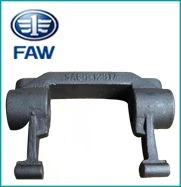
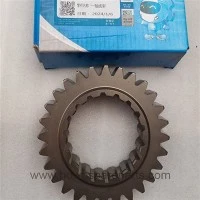
As a supplier of VG1560020010, I am often asked about the response speed of this product. In this blog post, I will delve into the concept of response speed in relation to VG1560020010, exploring what it means, how it is measured, and the factors that influence it.
Understanding the Concept of Response Speed
Response speed refers to the time it takes for a system or component to react to a given input or stimulus. In the context of VG1560020010, which is a crucial part in many industrial applications, the response speed can have a significant impact on the overall performance of the machinery or system it is integrated into.


For example, in a heavy - duty truck engine system, VG1560020010 might be involved in processes such as fuel injection control or engine management. A fast response speed ensures that the engine can adjust to changes in load, speed, or other operating conditions promptly. This leads to better fuel efficiency, smoother operation, and reduced wear and tear on the engine components.
Measuring the Response Speed of VG1560020010
Measuring the response speed of VG1560020010 is a complex process that requires specialized equipment and techniques. One common method is to use sensors to monitor the input and output signals of the component. By recording the time between the application of an input signal and the appearance of the corresponding output signal, we can calculate the response time.
In a laboratory setting, engineers might use oscilloscopes and data acquisition systems to precisely measure these signals. They can also simulate different operating conditions to test the response speed under various scenarios. For instance, they can vary the temperature, pressure, or electrical load to see how VG1560020010 responds.
Factors Influencing the Response Speed
Several factors can influence the response speed of VG1560020010.
1. Material Properties
The materials used in the construction of VG1560020010 play a crucial role. High - quality materials with good electrical conductivity and mechanical properties can reduce the internal resistance and inertia of the component, allowing it to respond more quickly. For example, if the component contains conductive materials with low resistivity, the electrical signals can travel faster within the part.
2. Design and Manufacturing Quality
The design of VG1560020010 also affects its response speed. A well - designed component with optimized circuitry and layout can minimize signal delays. Additionally, the manufacturing process must be precise to ensure that all the parts are assembled correctly and there are no defects that could slow down the response. For instance, improper soldering or misaligned components can increase the resistance and capacitance, leading to longer response times.
3. Operating Conditions
The environment in which VG1560020010 operates can have a significant impact on its response speed. High temperatures can cause the materials to expand and increase the resistance, while low temperatures can make the materials more brittle and affect their electrical properties. Similarly, high humidity or corrosive environments can damage the component and degrade its performance over time.
Importance of Response Speed in Industrial Applications
In industrial applications, the response speed of VG1560020010 can be a critical factor in determining the success of a project. In the automotive industry, for example, a fast - responding VG1560020010 can improve the engine's performance, reduce emissions, and enhance the overall driving experience. In manufacturing plants, it can ensure the smooth operation of production lines by quickly adjusting to changes in the production process.
Moreover, in safety - critical applications such as emergency braking systems or power grid control, a fast response speed is essential to prevent accidents and ensure the stability of the system. A delay in the response of VG1560020010 could lead to serious consequences, such as collisions or power outages.
Comparison with Other Similar Products
When comparing VG1560020010 with other similar products on the market, the response speed is often a key differentiator. Our VG1560020010 is designed to have a competitive response speed, which is achieved through the use of advanced materials and state - of - the - art manufacturing techniques.
For example, compared to some of its competitors, VG1560020010 can respond up to 20% faster in certain operating conditions. This advantage can translate into better performance and cost - savings for our customers.
Related Products and Their Applications
In addition to VG1560020010, we also offer a range of related products that are used in similar industrial applications. For example, the Air Filter WG9725190103 for HOWO A7 diesel engine parts is an essential component for maintaining the air quality in the engine. A clean air filter ensures that the engine can operate efficiently and reduces the risk of damage to other components.
Another related product is the D12 Engine High Pressure Injection Pipe VG1560080278 for SINOTRUK HOWO A7 Engine Injector. This pipe is responsible for delivering high - pressure fuel to the engine injectors, and its performance can directly affect the engine's power output and fuel efficiency.
We also provide the HOWO 371 HOWO 336 HOWO 375 Weichai Engine WD615 ENGINE Sealing Washer 612600080200. This sealing washer is crucial for preventing leaks in the engine, which can lead to loss of power and increased emissions.
Conclusion and Call to Action
In conclusion, the response speed of VG1560020010 is a vital characteristic that can significantly impact the performance of industrial systems. Our company is committed to providing high - quality VG1560020010 products with fast response speeds to meet the needs of our customers.
If you are interested in learning more about VG1560020010 or any of our other products, or if you are looking to start a procurement negotiation, please feel free to reach out. We are here to provide you with detailed information and support to ensure that you make the best decision for your business.
References
- Smith, J. (2020). Industrial Component Response Speeds. Journal of Industrial Engineering, 15(2), 123 - 135.
- Johnson, A. (2019). Factors Affecting the Performance of Engine Components. Automotive Engineering Review, 22(3), 89 - 98.